Spa • Best Practice
Teaching Your Clients the Science of Skin Care
Teaching Your Clients the Science of Skin Care

Building your client’s skin care regimen may require a brief science lesson.
Clients who visit salons and spas often do so because there’s a problem they don’t know how to solve. They need help, ideally from an expert with a deep understanding of health and beauty. As a skin care service provider, one of the best ways to put a client at ease is to share your skin care expertise. Try focusing on these strategies to help guide your conversation:
Before we begin, a teaching tip
It’s worth remembering that your goal isn’t to sell beauty products. A purchase might happen if you do a great job, but this is a conversation, not a sales pitch. It’s okay to identify product categories that can help a specific client, but always let them take the initiative on what they purchase. The good news is if you’re a teacher who establishes trust, clients will be more likely to make repeat purchases.
Link skin products to skin processes
Skin care products do not literally transform your skin, but they do make it easier for your skin to function predictably. The body has processes to address dry skin and clogged pores, but age, sunburns, and other factors can interrupt them. Explaining these natural processes can help illustrate the intention behind different products.
The skin consists of three main layers: the epidermis, dermis, and sub cutis. For skin care purposes, clients really only need to worry about the epidermis, the outer layers that keep water inside your body. Of course, this property works in reverse as well — if your skin is drying out, it can’t absorb moisture from an outside source! (which is also why water-based treatments tend to be less effective than other products.) Use this detail to remind clients why moisturizer is a central facet of their skin care regimen. Strictly speaking, it doesn’t add moisture to your skin, but it does prevent water loss from occurring. Regular use of moisturizer will keep skin fresh and flexible while softening any lines and scars.
Exfoliants work much the same way, assisting the process of desquamation — the skin cell turnover that occurs every few weeks. While aging skin can make it hard to shed old cells, exfoliants break up cell bonds so fresh skin can breathe again. By linking products to a process, you give clients a far deeper understanding of what items truly benefit them.
Don’t get too fixated on active ingredients
When a skin care product boasts that it has active ingredients, that means that it contains substances to meet a specific purpose. Vitamin C in products can act as an antioxidant, vitamin B3 improves complexion, and vitamin A-based retinoids jump-start skin turnover. Unfortunately, the actual results these products offer — especially in over-the-counter forms — are mixed at best.
That’s not to say that active ingredients have no benefit, but they often must be used in very specific ways. Vitamin C, for example, breaks down quickly and cannot be left in its container for long. It also doesn’t mix well with other products. On the other hand, retinoids are most effective overnight under a layer of sunscreen, but pregnant women should never use them.
Navigating each substance’s nuances is a challenge, and if you get it wrong, your reputation as a service provider is on the line. Be sure to only recommend trusted products for specialized skin needs. In severe cases, direct clients to get prescription versions of active ingredients and use them as directed.
The best skin care strategy is about defense
The most effective skin care regimen is one that protects the skin instead of healing damage that’s already occurred. Liberally applying sunscreen at every opportunity is a must, or at the very least, using products that include sun protection. This is one reason why Supergoop is popular — everything from lotion to eyeshadow has an SPF rating.
Remember, however, that skin care isn’t just about products — it’s about long-term health. Gaining the full benefits of moisturizer, exfoliates, actives, or even sunscreen takes time and works best in conjunction with exercise and a healthy diet. If you can teach the science behind these items and make it easy to introduce them to a health regimen, your clients will see positive results that much sooner.


Jozlyn Miller
Manager, Education
Jozlyn Miller is the Manager of Education at Boulevard. With over 16 years in the wellness and beauty industry, Jozlyn’s journey began at The Spa at Terranea Resort, where she discovered her passion for creating seamless, unforgettable client experiences. Starting as a Front Desk Coordinator, she quickly rose through the ranks to Spa Operations Manager, mastering everything from client engagement to financial strategy, understanding firsthand what it takes to run a thriving, high-end spa. Now, she leads a team, dedicated to empowering business owners with the knowledge and tools to be successful. She focuses on understanding industry challenges, the evolving needs of clients, and how to transform intricate ideas into practical solutions. For Jozlyn, success isn’t just about optimization, it’s about elevating the entire industry. She’s on a mission to bridge the gap between innovation and tradition, using her expertise in technology-driven solutions to help spas, salons, and medspa owners harness the power of technology without losing the artistry and human connection that make this industry so special.
Related Posts

Skin Cycling: How to Coach Clients on This TikTok Trend (& Dermatologist Hack!)
Skin cycling isn’t your average viral beauty trend. Here’s what you should tell your clients about this dermatologist-recommended skin care strategy.
Read Article
Really Reef-Safe: How to Catch Fishy Promises on Your Sunscreen Label
What does it mean to be reef-safe? Your guide to understanding all the ocean-friendly promises your sunscreens are making these days.
Read Article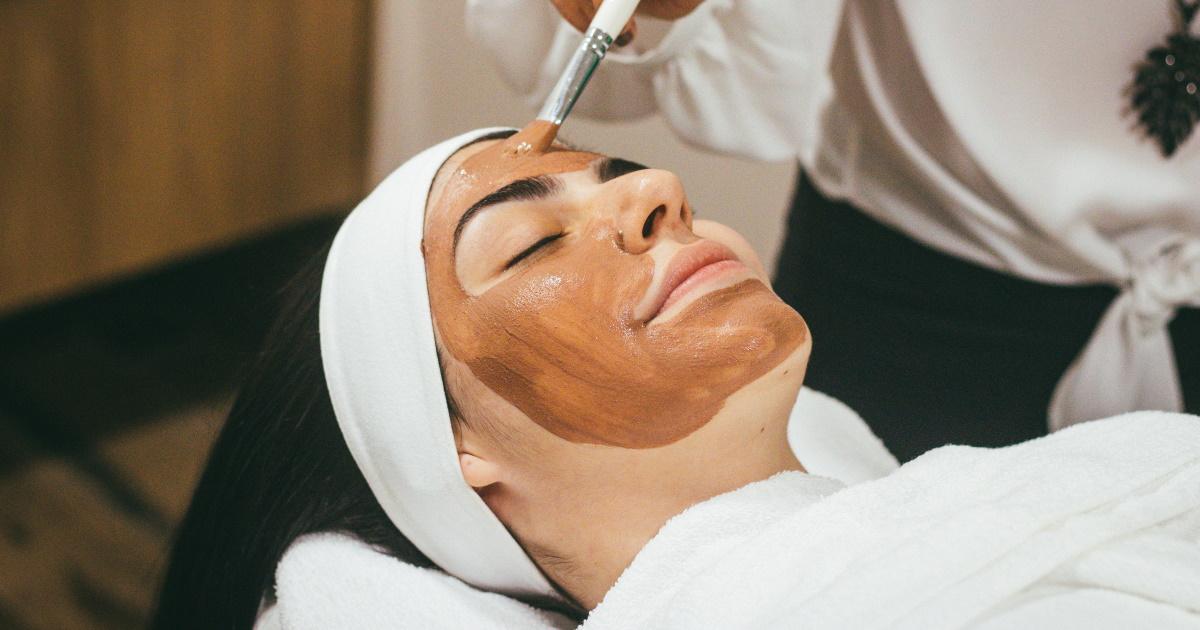
No Shame in Good Skin Care: How to Talk to Your Clients About Acne
Acne comes with a social stigma that makes it hard to discuss. Find out how skin care pros can start the conversation.
Read Article
Boulevard Spotlight: Skin House Facial Bar
For Skin House Facial Bar, skin care isn’t just a service — it’s a relationship. Learn more in our latest Spotlight.
Read Article
Skin Care Business: The Complete Guide for Business Owners
Starting a new skin care business or expanding current offerings? Learn about product regulations, get advertising tips, and discover more information inside.
Read Article
Slather, Rinse, Repeat: Sun-Safe Products That Won't Derail Your Beauty Routine
These are the sunscreen-based products you need to introduce SPF to all the most important areas of your everyday beauty routine.
Read Article
Skin Care Advertisements: 5 Ways to Make Your Ads Stand Out
How can your skin care advertisements break through the barrage of beauty ads? Our guide can show you the way.
Read Article
De-Influencing Self-Care: How to Emphasize Education Over Influence
Discover why savvy self-care brands are replacing paid influencer partnerships with educational content on social media right now.
Read Article
Keeping It Real: Why Modern Spas Are Moving From Indulgence to Wellness
Self-care is not an indulgence, but an essential part of life. That’s the new mantra for spas as they swap 24K gold facials for wellness services.
Read ArticleSign up for weekly blog updates.