Spa • Best Practice
Skin Cycling: How to Coach Clients on This TikTok Trend (& Dermatologist Hack!)
Skin Cycling: How to Coach Clients on This TikTok Trend (& Dermatologist Hack!)
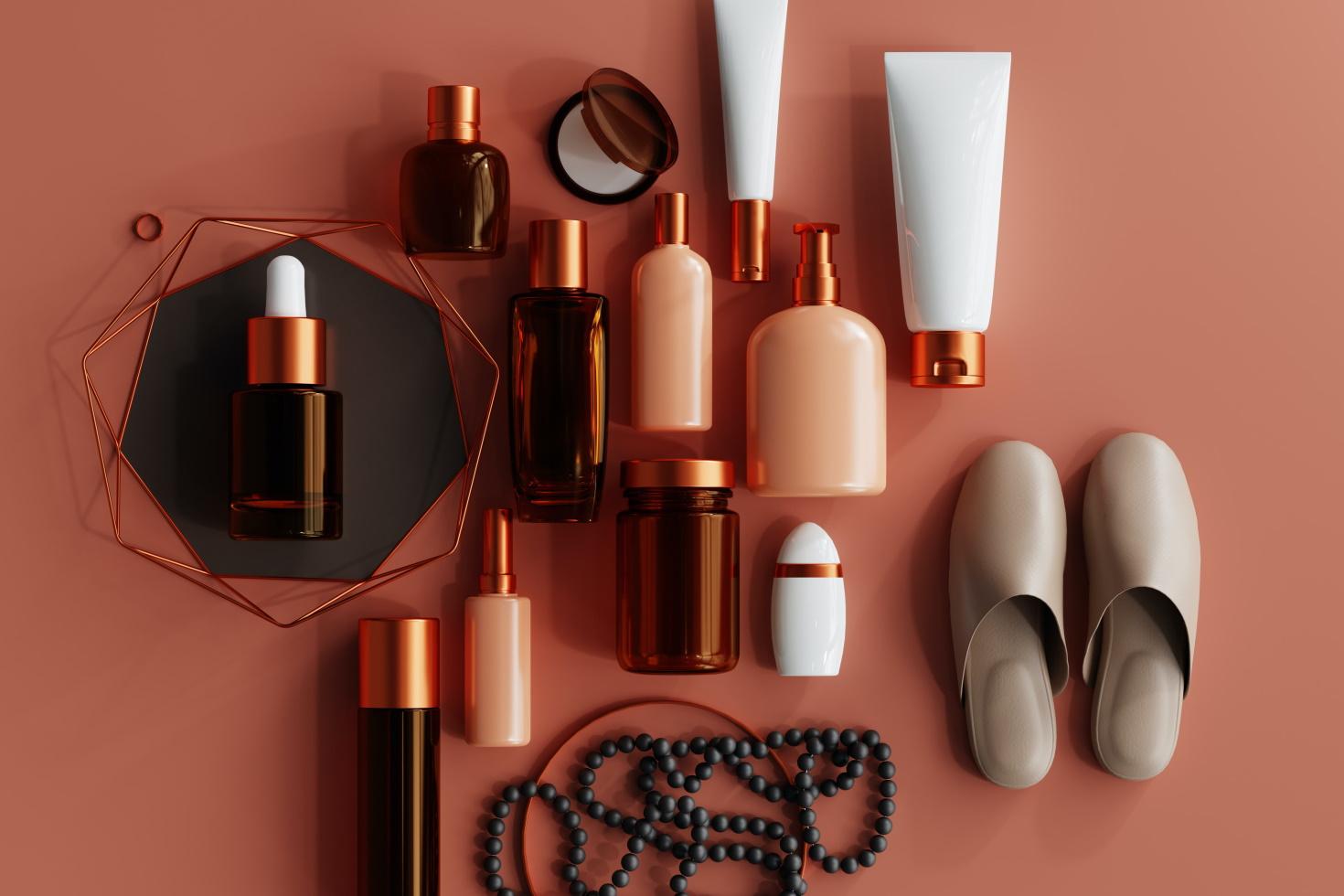
Here’s everything your staff needs to know about this viral beauty trend
Sure, social media has contributed more than its fair share of questionable beauty advice — but it’s not all bad. Sometimes the (skin) cream does rise to the top of the algorithm and the latest viral trend includes genuine insight from experts.
Skin cycling, as it turns out, is precisely that. A catchy name for dermatologist-recommended skin care strategy, skin cycling is all over the internet, and chances are your clients will want any tips you can give them to get it to work for them.
So… what is skin cycling?
Skin cycling is the practice of breaking your skin care routine into a multiday (four is the standard) process. Some days are for preparing the skin to receive active ingredients, some are for applying those active ingredients, and some are for rest and recovery.
According to experts, skin cycling has taken off in large part due to the rise in complexity of daily skin care regimes — and the large number of products they could include. These rigorous routines could actually do more harm than good, which is why skin cycling simplifies the process and spreads it out over a longer period to improve results.
Here’s what a traditional cycle looks like:
Day 1: Your clients should begin the cycle with exfoliation. Tell them to apply their favorite leave-on chemical exfoliant and moisturizer combo on the first night.
Day 2: The second night is where they break out the big guns: their retinoids. They should apply this after thoroughly washing their face and letting it dry… completely. If they’re new to this active ingredient, they might also want to use a little moisturizer on any particularly sensitive areas before using their retinoid.
Day 3: The third night is when your clients let their skin rest. They can do a little washing, moisturizing, hydrating, etc. — but nothing crazy.
Day 4: Same as the third: Your clients must focus on letting their skin recover.
A little inside baseball on skin cycling
Here are a few more pieces of advice that you can use to help your clients get the most out of this approach:
The four-day schedule isn’t for everyone. Although many have found the standard format works great, tell your clients they may need to experiment a bit before they find the cycle for them. For example, some may do best with an extra rest day between exfoliating and applying the retinoid, while others may find they don’t need two whole days dedicated to recovery.
Skin cycling can be effective at every price point. One of the best things about skin cycling is that it can work for anyone, regardless of their beauty product budget. This is because skin cycling boosts their products' effectiveness by ensuring their skin is fully recovered before it is treated again. No more wasting product by using it on skin that isn’t ready for it.
Those with skin conditions should take extra precautions. While this is a good rule of thumb most should follow, those with rosacea, eczema, or other skin conditions need to talk to their dermatologist before trying skin cycling. This consultation will ensure they’re aware of any risks and that they start the routine on the right foot.
Skin cycling and a great customer experience
From beauty basics to advanced techniques like skin cycling, your staff’s knowledge will help ensure they can consistently give your clients the best possible advice — and, ultimately, provide the best possible customer experience.
But that’s just part of the recipe.
For the rest, read our guide to optimizing the customer experience. Packed with insights gleaned from an in-depth survey of 800 beauty clients, “The Perfect Salon: A Data-Driven Guide to Creating the Ideal Client Experience” will help you sell more beauty products, build long-term customer loyalty, and so much more.
Want more tips on how to run your spa (without running yourself ragged)? This guide can help

Jozlyn Miller
Manager, Education
Jozlyn Miller is the Manager of Education at Boulevard. With over 16 years in the wellness and beauty industry, Jozlyn’s journey began at The Spa at Terranea Resort, where she discovered her passion for creating seamless, unforgettable client experiences. Starting as a Front Desk Coordinator, she quickly rose through the ranks to Spa Operations Manager, mastering everything from client engagement to financial strategy, understanding firsthand what it takes to run a thriving, high-end spa. Now, she leads a team, dedicated to empowering business owners with the knowledge and tools to be successful. She focuses on understanding industry challenges, the evolving needs of clients, and how to transform intricate ideas into practical solutions. For Jozlyn, success isn’t just about optimization, it’s about elevating the entire industry. She’s on a mission to bridge the gap between innovation and tradition, using her expertise in technology-driven solutions to help spas, salons, and medspa owners harness the power of technology without losing the artistry and human connection that make this industry so special.
Related Posts

Teaching Your Clients the Science of Skin Care
Understanding the science behind moisturizers and exfoliates makes it easier to introduce clients to skin care regimens.
Read Article
Boulevard Spotlight: Skin House Facial Bar
For Skin House Facial Bar, skin care isn’t just a service — it’s a relationship. Learn more in our latest Spotlight.
Read Article
No Shame in Good Skin Care: How to Talk to Your Clients About Acne
Acne comes with a social stigma that makes it hard to discuss. Find out how skin care pros can start the conversation.
Read Article
Self-Care Is Essential. Here's How Our Habits Are Evolving in 2021
Self-care spiked during the pandemic and the trend isn’t going anywhere. Here’s what the self-care boom means for beauty businesses in 2021.
Read Article
Skin Care Advertisements: 5 Ways to Make Your Ads Stand Out
How can your skin care advertisements break through the barrage of beauty ads? Our guide can show you the way.
Read Article
6 Skin Care Promotion Ideas to Give Your Bookings a Lift
Need some skin care promotion ideas to boost your self-care business? These six strategies have you covered.
Read Article
Trash These TikTok Trends: Separating Beauty Wisdom From Viral Nonsense
TikTok beauty videos garner millions of views and set global trends — but are they actively harming people? Discover how to separate fact from fiction inside.
Read Article
Skin Care Business: The Complete Guide for Business Owners
Starting a new skin care business or expanding current offerings? Learn about product regulations, get advertising tips, and discover more information inside.
Read Article
Taking Shape: Designing Your Salon for Form and Function
You’ve landed the perfect location. Now what? Learn how to optimize efficiency and client satisfaction through layout, decor, lighting, and other decisions.
Read ArticleSign up for weekly blog updates.