Medspa • Community
Driving Racial Equity in Aesthetic Medicine This Black History Month and Always
Driving Racial Equity in Aesthetic Medicine This Black History Month and Always
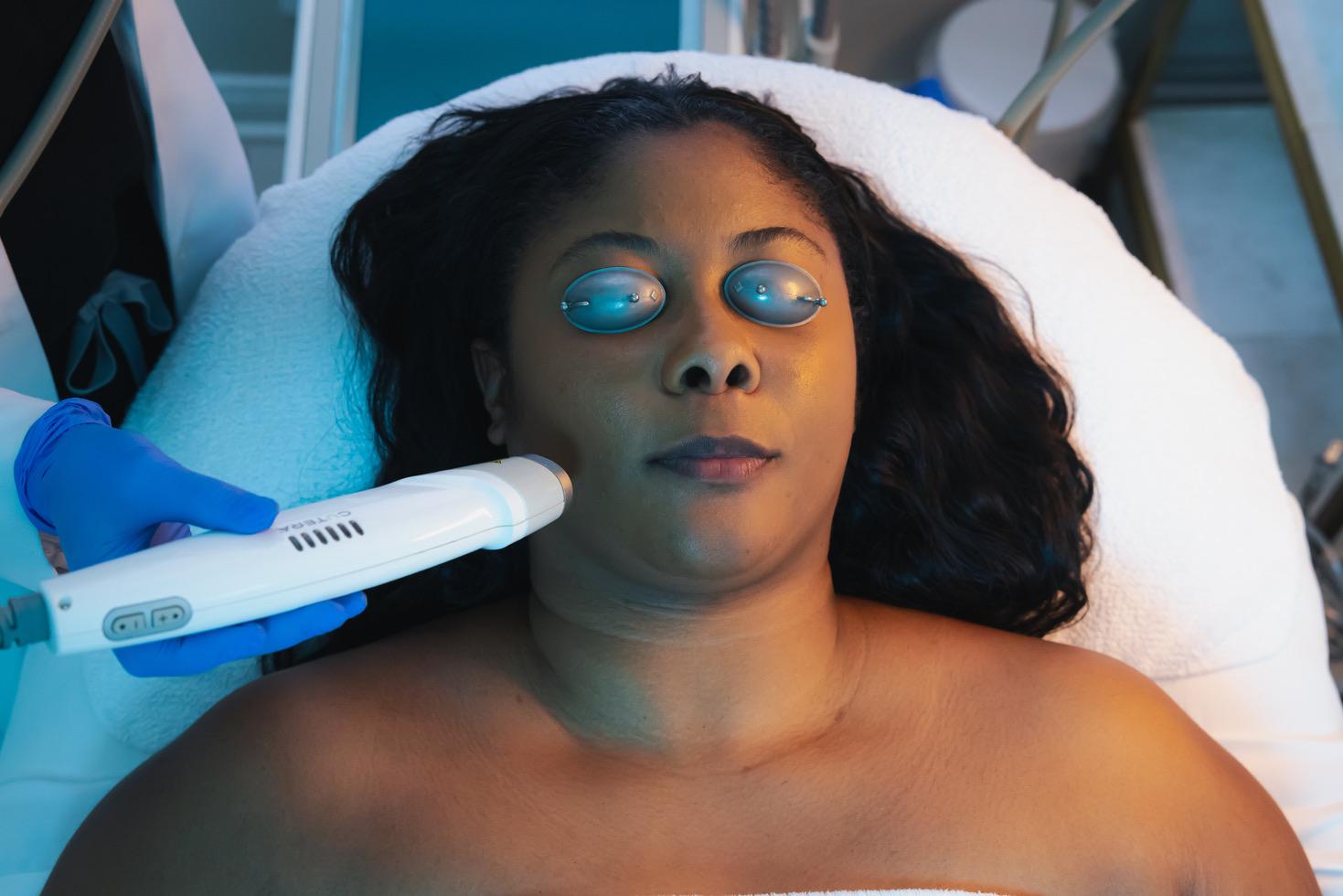
Learn how the DREAM Initiative is challenging Eurocentric beauty standards
It’s no secret that the self-care industry was built on a very narrow standard of beauty. For centuries, women have been told that Eurocentric beauty standards like light skin, straight hair, and demure facial features are the ideal they should aspire to emulate. The industry has come a long way in recent years and is thankfully becoming more diverse, but when it comes to aesthetic medicine, women of color still struggle to find equitable treatment.
To address the effects of “systemic racism in aesthetic medicine,” Allergan Aesthetics and Skinbetter Science partnered to create The DREAM Initiative. DREAM: Driving Racial Equity in Aesthetic Medicine “aims to further EED&I education within the world of aesthetics and the beauty industry as a whole,” which is a powerful step towards making inclusion the standard.
Challenging a singular standard of beauty
Aesthetic medicine covers a wide range of services, many of which require providers to get up close and personal with their clients. Because they perform procedures like chemical peels, microdermabrasion, and body contouring, aestheticians need specialized training and expertise in various skin conditions.
“To effectively diagnose and manage skin diseases in all patients, dermatologists need to be fluent in the diverse array of clinical presentations of even the most common skin diseases in all skin tones,” according to Dr. Adam Friedman, MD. However, because aestheticians and medical professionals often lack experience and training with a diverse range of skin tones and types, many women of color feel like these treatments aren’t for them.
Women who don’t fit the stereotypical standard of beauty deserve better. To that end, aesthetics cosmetic company Allergan Aesthetics and professional skin care brand Skinbetter Science teamed up to form The Dream Initiative, an ambitious collective of medical and self-care professionals determined to “advance racial equity and diversity in dermatology and aesthetics.” As the project’s first report puts it, “We’re not asking for change. We’re making it.”
How The DREAM Initiative is making inclusion the standard
“I’ve always heard society describe beauty as being thin and of a lighter complexion,” said Taneal, one of the women whose stories have been amplified with the help of The DREAM Initiative. “Nothing that equates to who I am as a person… It definitely affected how I saw myself as a woman.”
Because Taneal’s polycystic ovarian syndrome and eczema require regular dermatologist visits, she’s all too familiar with the Eurocentric beauty standards to which she’s expected to conform. Aesthetic medicine is direly lacking authentic representation, and this “mindset,” as Tanael puts it, is “harmful and racist.”
And she’s far from alone. According to a DREAM Initiative report that polled approximately 4,000 women and non-binary people across varying ethnicities, body types, and geographic locations, 38% of Black women feel more beautiful than society perceives them to be. One in four Black, Hispanic, and multiracial women believes that these archaic beauty standards are racist.
“For far too long, and far too often, industry gatekeepers have failed to listen to female consumers of color, challenge age-old definitions of beauty, and do more than performative advocacy,” according to report editor Marjon Carlos. Black and Hispanic women don’t want to be merely accepted or pandered to; they want to be celebrated in the same way that Eurocentric beauty standards are. Or, as this theme is summarized in the report: “One of us cannot represent all of us.”
The role of aesthetic professionals in changing the dialogue
The full report, titled Forces of Beauty: A Lens into Inclusivity in Aesthetics, covers a range of topics. From unpacking the impact of Eurocentric beauty standards on women of color to discussing cultural appropriation and empowering uniqueness, The DREAM Initiative’s research is punctuated by powerful stories from those who have experienced these issues firsthand.
This was a refreshing change of pace for Mariah, who’s quoted in the report as saying “We’ve gotten lost in the shuffle over the years, and our stories have been pounded down. Seeing people that look like me represented in the beauty world is everything.”
Sharing these stories is a powerful first step towards a more inclusive industry. However, it’s up to aestheticians and other beauty professionals to take the next step. “While Black and brown women rewrite the scripts, [healthcare providers] also need to recognize the role they play,” the report summarizes. “HCPs can productively intervene and reshape conversations about beauty. But first, they need to better educate themselves on the unique needs of melanated skin.”
DREAM Initiative Ambassador and plastic surgeon Dr. Kelly Bolden, MD, recommends that aesthetic professionals “take the time to study skin of color as it relates to pigmentation, scarring, and elasticity.” This is particularly relevant to this corner of the self-care industry because non-white skin can react differently to lasers and other aesthetic treatments.
In other words, as The DREAM Initiative continues to advocate for racial equity in aesthetic medicine, it’s time for medical professionals in the self-care industry to step up. As the report concludes, “The aesthetics industry must remember that we were never meant to set the beauty norms; instead, we are responsible for making everyone feel like the best version of themselves.”
And if the “best version” of yourself doesn’t look like anyone else? That’s worth celebrating.

Skya Jones
Sr. Medspa Education Manger
Skya Jones is an industry expert and consultant who serves as one of the in-house medspa experts at Boulevard. In this role, she collaborates closely with Boulevard’s team and their customers to help deliver exceptional, memorable client experiences. With nearly a decade of experience in the medical spa industry, Skya is deeply passionate about leadership and education, and is dedicated to empowering businesses to thrive. Prior to joining Boulevard, she successfully managed and provided consulting services to a range of medical spas and retail beauty businesses.
Related Posts
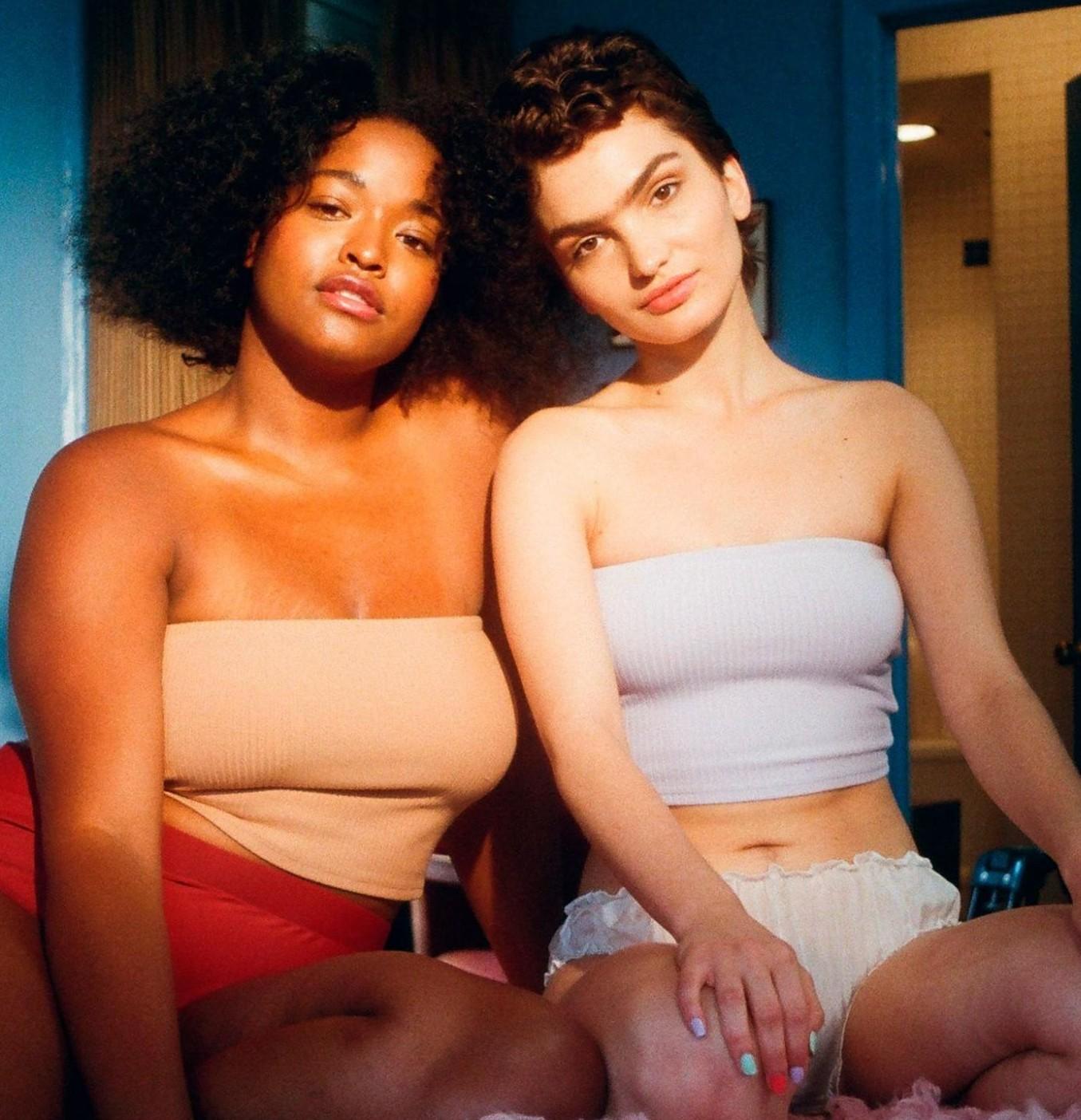
What is 'Femtech' and Why Should the Beauty Industry Care About It?
The world of femtech is pushing back on the stigmatization of women’s health. Here’s what the beauty industry stands to learn from femtech.
Read Article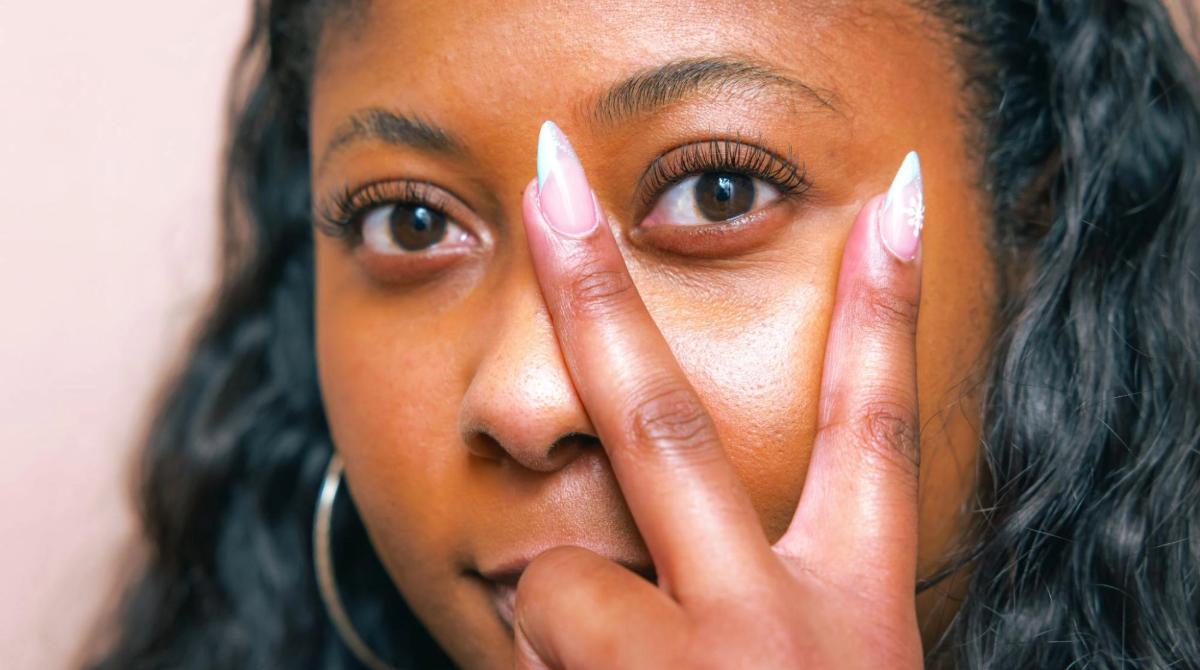
Clean Girl Aesthetic: The Black & Brown Women Who Did It First
The “clean girl aesthetic” is one of today’s most viral TikTok trends. Is it cultural appropriation? Learn why the look’s true origins are so important.
Read Article
Is She for Real? The Rise of the Virtual Influencer
Virtual influencers hold sway over millions of fans around the world, and brands are taking notice. Here’s what you need to know.
Read Article
More Than Skin Deep: Inclusive Beauty as a Celebration of Women Everywhere
Making your medspa more inclusive for women everywhere isn’t just a values statement — it’s a way to expand and protect your business. Here’s why and how.
Read Article
Diverse Clientele, Diverse Services: Expanding Services to Meet Inclusive Needs
Your beauty business wants to be more inclusive — but does it walk the walk? Discover how you can embrace diversity with expert tips from Sabrina Robinson.
Read Article
Who Can Open a Medical Spa?
Learn who can open a medical spa, what license you need to open a medical spa, and how to build a compliant medical aesthetic business.
Read Article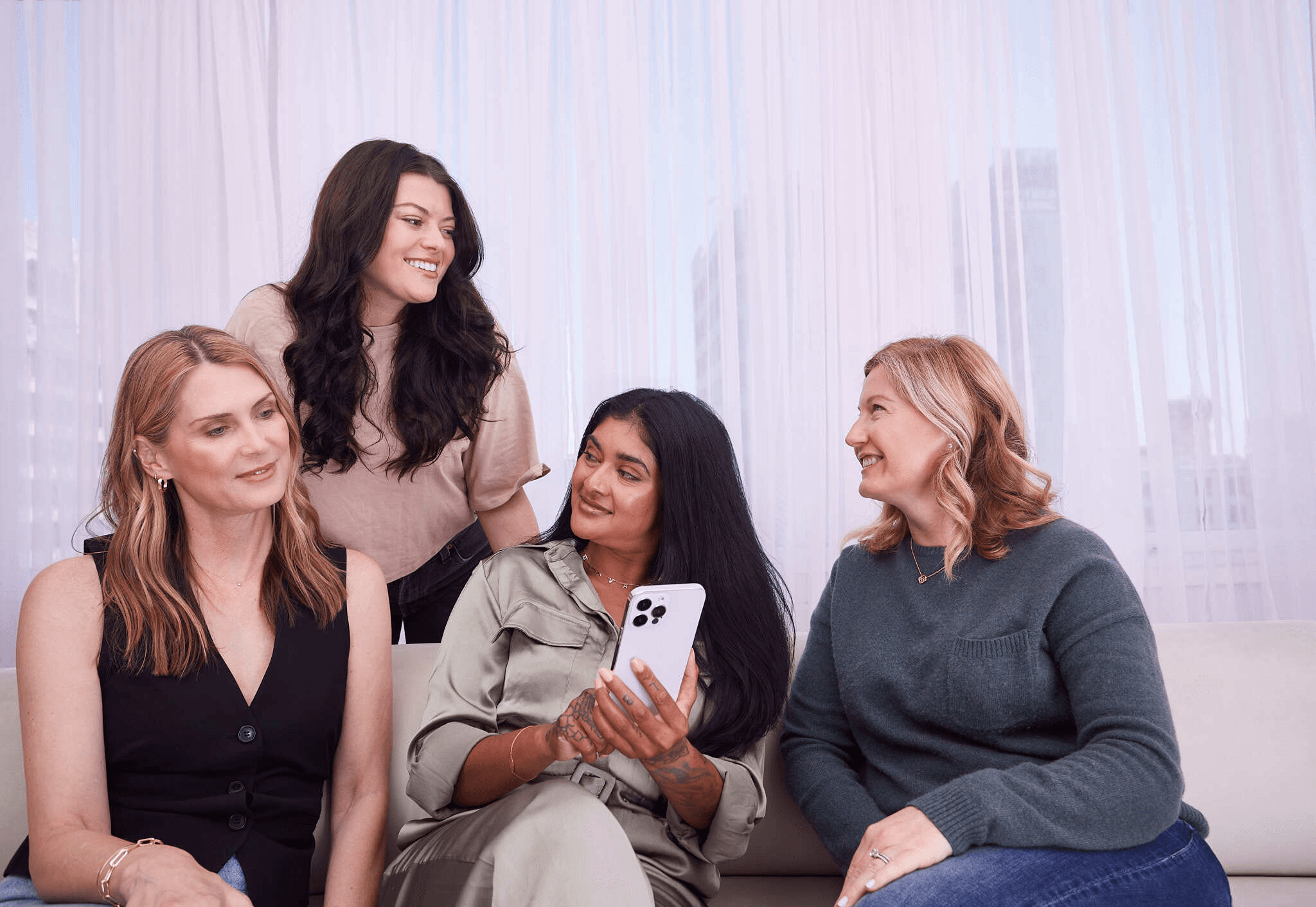
Powered by Women: The Beauty Workforce
Nearly 89% of beauty professionals are women. Explore how women power the salon, spa, and medspa workforce — and why their labor, care, and expertise fuel one of the fastest-growing industries in the U.S.
Read Article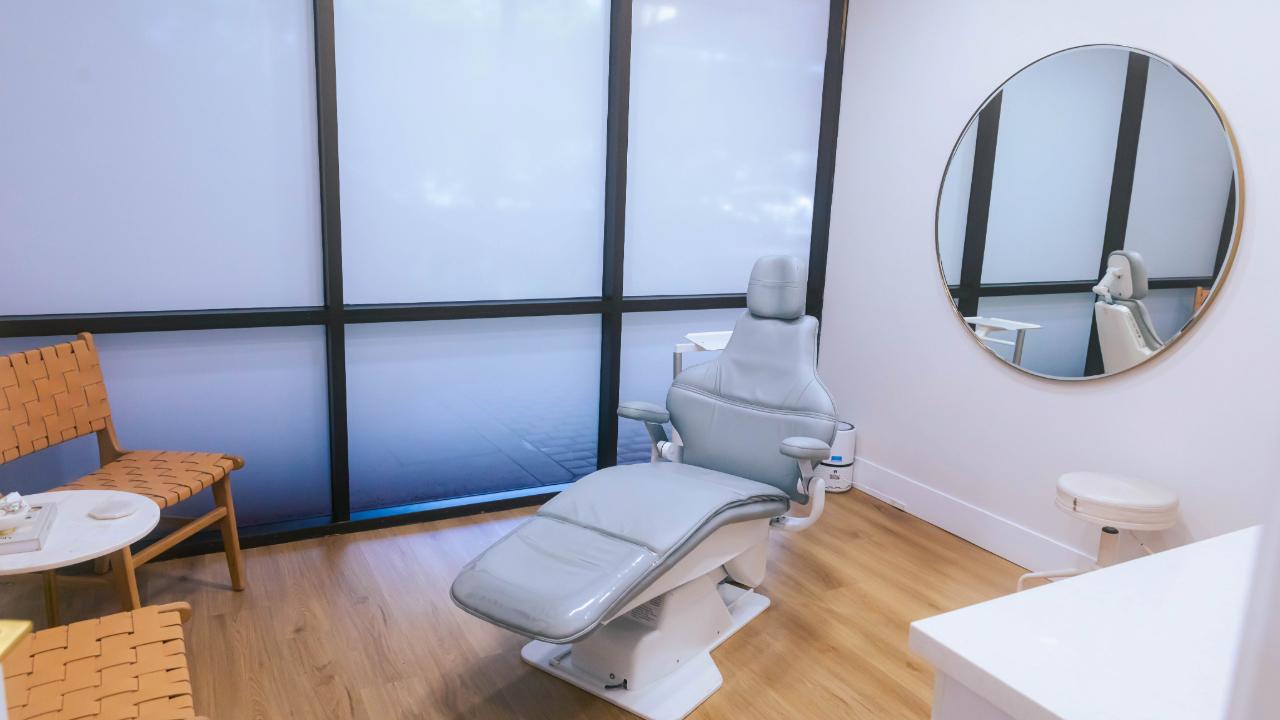
6 Steps to Turn Your Medical Aesthetic Practice into a Scalable Business
Jessica Hunter shares a clear, six-step roadmap for transforming a medical aesthetic practice into a scalable, sellable business—focusing on financial visibility, provider diversification, systems, reporting, hiring, and strategic marketing.
Read Article
Medspa Mastery: 7 Podcasts Sharing the Secrets to Success
Running a medspa is hard. These 7 podcasts offer invaluable advice on all things aesthetics, from the latest in injectables to creating the best client experiences.
Read ArticleSign up for weekly blog updates.