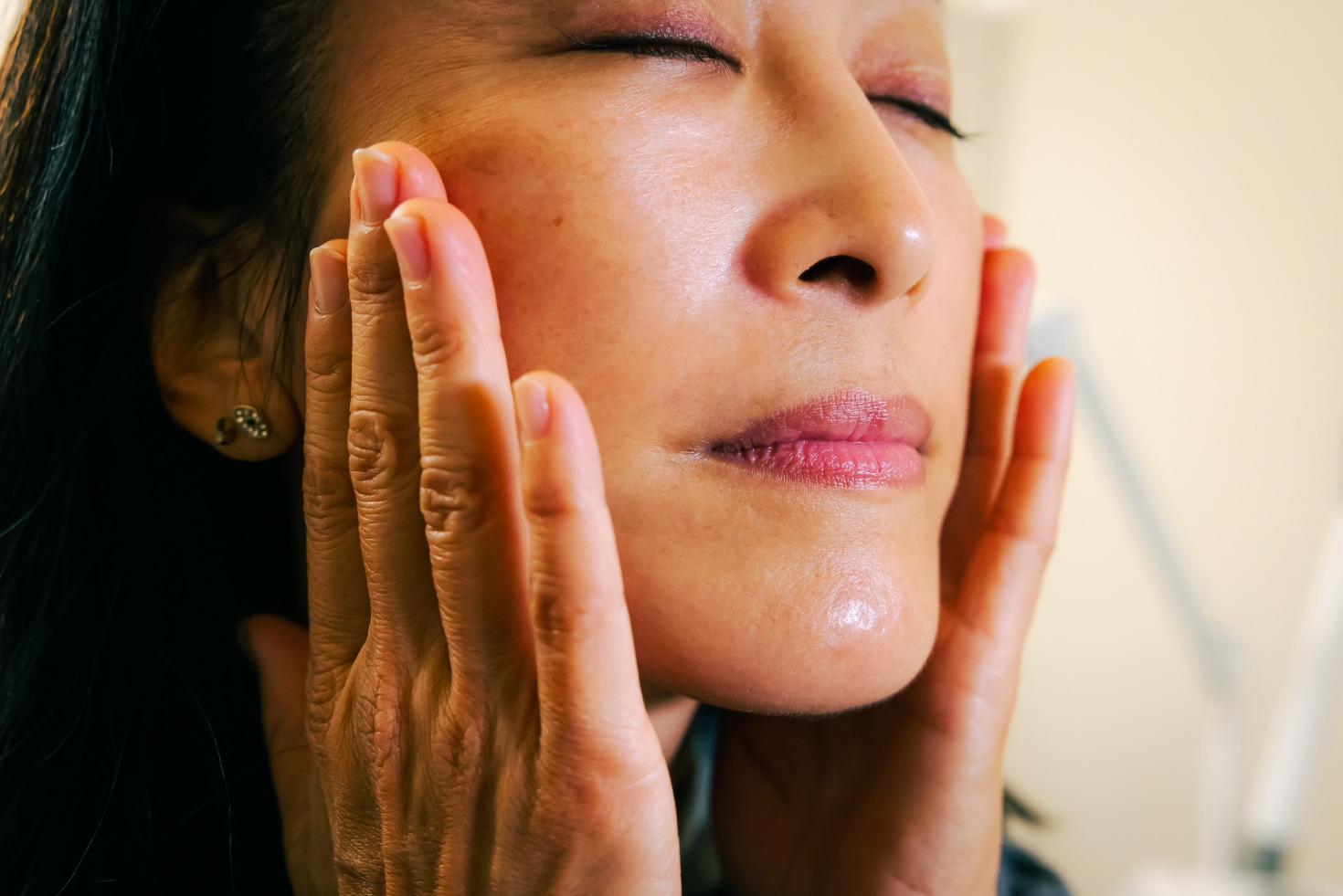
It’s a common confusion in skincare: What are the differences between an esthetician and an aesthetician? These job titles look and sound alike, and they’re sometimes used interchangeably. But they point toward different scopes of practice, treatment environments, and career paths. Understanding the difference between an aesthetician and an esthetician can help professionals choose the right career path and help business owners make informed hiring decisions.
Estheticians tend to focus on cosmetic treatments, while aestheticians handle more advanced skincare procedures. Understanding how these roles overlap and where they diverge can shape your business’ hiring decisions and service offerings.
Read on for a detailed comparison of aestheticians versus estheticians, including their career paths and their contributions to traditional spas and medspas.
What's the Difference Between an Aesthetician and an Esthetician?
The best way to explain the differences between an aesthetician and an esthetician is to look at the level of treatment each role provides. While the terms are often used interchangeably, the difference between an esthetician and an aesthetician generally comes down to treatment setting, specialization, and scope of practice.
Estheticians focus on cosmetic services designed to maintain skin health and appearance. These professionals typically work in spa and wellness businesses and focus on repeatable, maintenance-driven skincare services like facials and hair removal.
Aestheticians handle more advanced, results-driven treatments. They often work in medspas and physicians’ offices, where licensed providers support rehabilitative care for skin trauma and signs of aging.
As a general rule, the more invasive a skincare treatment is, the more likely an aesthetician will administer that service. While estheticians stay on the surface of the skin, aesthetician training prepares providers for more advanced procedures.
What Does an Esthetician Do?
An esthetician, sometimes called a skin esthetician, provides cosmetic treatments that support appearance and comfort. This work centers on routine, surface-level services that keep skin clear, smooth, and healthy. Estheticians primarily focus on cosmetic skincare treatments designed to maintain healthy skin and improve appearance.
Common esthetician services include facials, exfoliation treatments, and makeup application. These professionals might also provide non-invasive hair removal, including waxing and threading. In addition, estheticians guide clients toward products and treatment schedules that fit their skin types and goals.
You’ll most often find esthetician services in salons and other wellness businesses. An esthetician’s success depends on repeat visits and long-term client relationships, which in turn relies on treatments that pair relaxation with visible cosmetic results.
Esthetician vs. Dermatologist
Estheticians and dermatologists may work collaboratively to promote healthy, aesthetic results. While you won’t always find an esthetician in a dermatology office, dermatologists often recommend estheticians to provide complementary cosmetic services, such as deep cleansing and specialized facials that support medical treatments. Unlike dermatologists, estheticians are not medical doctors and do not diagnose or treat medical skin conditions.
What Does an Aesthetician Do?
An aesthetician is a skincare specialist who focuses on more advanced, results-driven treatments. Aestheticians typically work in medically aligned environments like medspas. You’ll often hear the term medical aesthetician used in these settings, where providers support patients dealing with skin concerns tied to aging or recovery. Medical aestheticians typically work alongside healthcare professionals in medspas, dermatology clinics, and other clinical skincare environments.
In practice, aestheticians perform treatments like chemical peels, laser services, and other advanced skincare procedures. These services are designed to improve skin tone and remove visible signs of damage. An aesthetician’s work often extends beyond the treatment, with a focus on pre and post-procedure skincare for stronger recovery.
Training and Education Requirements for Aestheticians vs. Estheticians
Aestheticians and estheticians are licensed skincare professionals who start out with a similar educational baseline. Many schools offer combined pathways that let students begin with esthetics training before continuing into advanced medical aesthetics.
Candidates must have high school diplomas or GED certificates to apply to esthetic or medical aesthetician programs. To qualify for licensure, these programs must be state-approved and administered by a cosmetology school, vocational school, or junior college.
In both types of programs, students must pass written and practical board exams to obtain licensure. Depending on the state, they may need to complete hands-on instruction via internships or apprenticeships. Some states also require continuing education and regular license renewals.
Esthetician Training Programs
Esthetician programs typically last nine months and require between 300 and 600 hours of instruction, depending on state and individual school requirements. This training focuses on the fundamentals of cosmetic skincare and premium client experiences.
Coursework and hands-on instruction may include:
Color theory
Cosmetic chemistry
Cosmetic treatments, including makeup application and waxing procedures
Hair removal methods
Introduction to dermatology
Physiology
Salon safety and sanitation
Skin analysis
Skin anatomy
Skin health and skin condition management
Skincare treatments, including exfoliation methods and hydration
Aesthetician Training Programs
Aestheticians can opt for a simple certification to pursue state licensure or complete an associate’s degree in medical aesthetics. Their training is similar to esthetician coursework in many ways, covering topics like skin analysis and physiology.
However, medical aesthetics programs go more in-depth, with additional courses on:
Advanced treatments, including chemical peels and hydrofacials
Dermaplaning and microdermabrasion
Medical microneedling
Medical practice operations
Phlebotomy
Stem cells and exosomes protocols
Specific license requirements vary from state to state. Before enrolling in any program, verify your state board’s standards. To find local licensing requirements, you can check out the Associated Skin Care Professionals website.
Aesthetician vs. Esthetician Salary and Career Paths
ZipRecruiter data suggests that the average annual salary for an esthetician is roughly $45,000. That’s just a starting point, however, since earnings in the beauty industry are widely variable and often underreported. Take-home income can climb over time with high value specialization and a steady base of repeat clients, and wellness employers may offer product commissions and performance-based bonuses to attract top talent. Salary differences between aestheticians and estheticians often reflect differences in specialization, treatment complexity, and workplace setting.
The average annual salary for a medical aesthetician is about $53,000, although Boulevard customers and other top earners can bring in well over six figures. Since this role is tied to high-value treatments in medspas and clinical settings, compensation scales more dramatically based on skill level and service complexity. Medical aestheticians are also more likely to expand into leadership positions or medspa ownership, which offers new opportunities for growth.
Roles of Estheticians and Aestheticians in Medspas
Medspas often juggle relaxing spa treatments alongside targeted medical procedures. That creates room for both estheticians and aestheticians to deliver quality client experiences.
Estheticians provide the cosmetic, comforting services that keep clients coming back, while aestheticians handle results-driven, medically aligned treatments. Together, these professionals help you offer multi-step care that blends pampering with advanced skincare outcomes.
Support Your Growing Medspa Team With Boulevard
Coordinating high-quality client experiences requires powerful aesthetic clinic software that helps you manage payments, treatment schedules, client data, and service tracking. Boulevard gives your medspa team the tools they need to manage everything in one place, so your providers can focus on client-centric care.
Learn how Boulevard’s Medspa Software helps your team provide consistent, high-quality experiences and prepare for growth.
FAQs
Is there a difference between an aesthetician and an esthetician?
In many cases the terms are used interchangeably, but aestheticians often work in medically focused environments while estheticians typically provide cosmetic skincare services in salons and spas.
Can an esthetician work in a medical spa?
Licensing requirements vary by state, but some estheticians may work in medical spas depending on the services offered and local regulations.
What's the difference between an esthetician and a dermatologist?
Dermatologists are licensed medical doctors who diagnose and treat skin conditions, while estheticians provide cosmetic skincare services focused on appearance and maintenance.

Jozlyn Miller
Manager, Education
Jozlyn Miller is the Manager of Education at Boulevard. With over 16 years in the wellness and beauty industry, Jozlyn’s journey began at The Spa at Terranea Resort, where she discovered her passion for creating seamless, unforgettable client experiences. Starting as a Front Desk Coordinator, she quickly rose through the ranks to Spa Operations Manager, mastering everything from client engagement to financial strategy, understanding firsthand what it takes to run a thriving, high-end spa. Now, she leads a team, dedicated to empowering business owners with the knowledge and tools to be successful. She focuses on understanding industry challenges, the evolving needs of clients, and how to transform intricate ideas into practical solutions. For Jozlyn, success isn’t just about optimization, it’s about elevating the entire industry. She’s on a mission to bridge the gap between innovation and tradition, using her expertise in technology-driven solutions to help spas, salons, and medspa owners harness the power of technology without losing the artistry and human connection that make this industry so special.
Related Posts
Medical Spas vs. Day Spas: A Business Model Breakdown
Learn the differences between medical spas versus day spas. Compare services, staffing, and oversight needs to choose the right model for your business.
Read Article
Everything Esthetician: The Complete Guide
Read this breakdown to understand what an esthetician does, and how they differ from other roles.
Read Article
What Is an Esthetician? What Every Spa Owner (and Client) Should Know
Estheticians perform a variety of treatments on the superficial layer of skin. Learn more about what an esthetician is and the services they provide.
Read Article
What Is an Aesthetician? Duties, Skills, and Where They Work
Do you know the difference between an aesthetician and an esthetician? It’s not a spelling mistake — learn who’s who in the world of beauty pros.
Read Article
7 Essential Esthetician Services That Keep Clients Coming Back
The demand for esthetician services at spas is growing, and this guide will get you up to date with practical and popular treatments clients love.
Read Article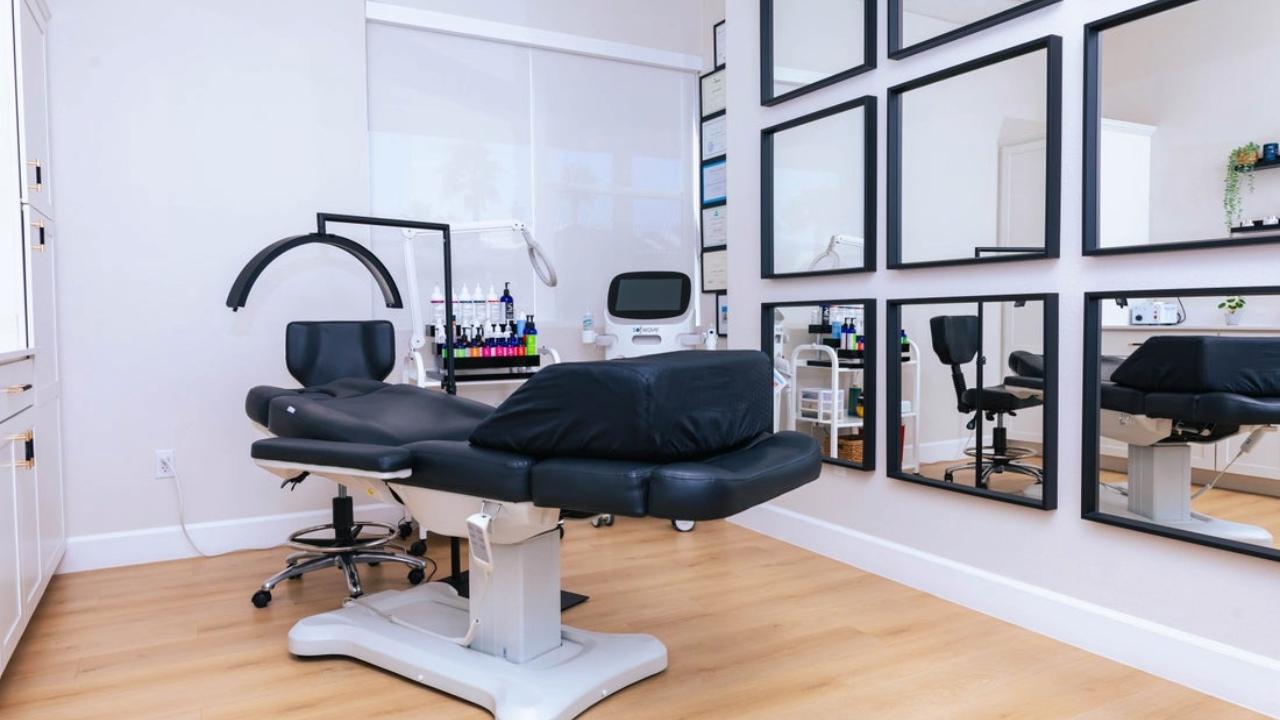
National Aesthetician Day Spotlight: 5 Customer Stories That Inspire
Ready to celebrate National Aesthetician Day on October 15? Discover 5 inspiring Boulevard customers transforming skin and building client confidence.
Read Article
Job Roles in a Beauty Salon: A Guide for Salon Owners
Boulevard breaks down the key job roles in a beauty salon, from stylists and receptionists to managers, and how to build the right team for your business.
Read Article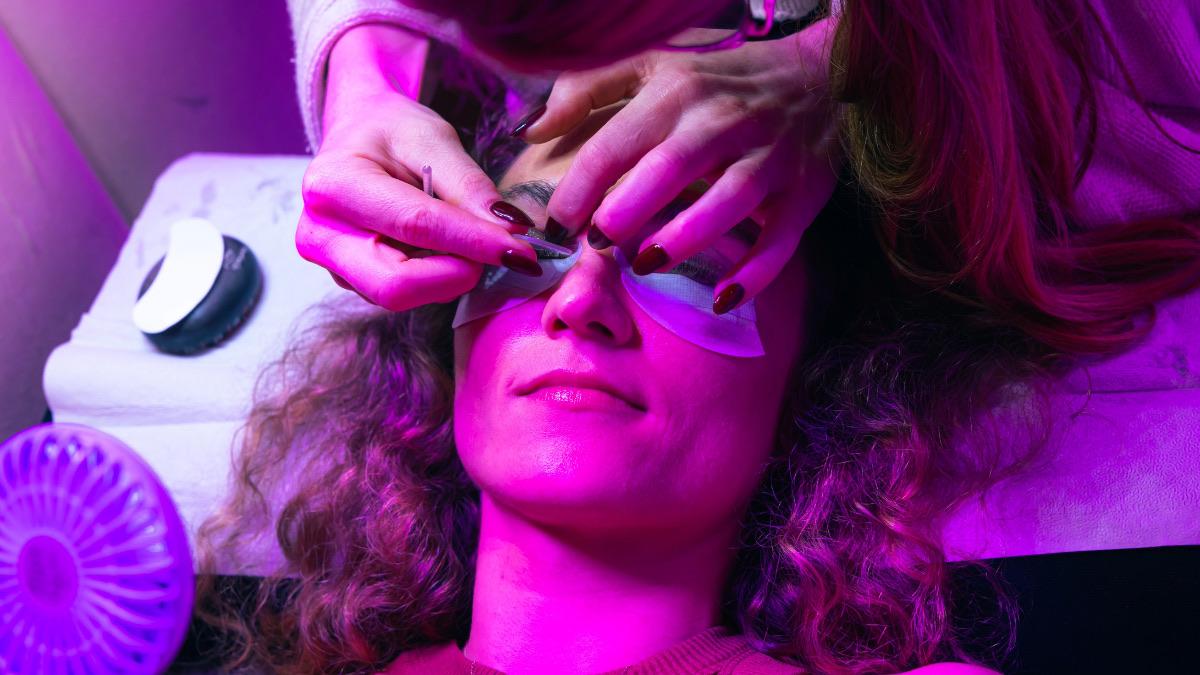
The Client-Centric Approach: How Estheticians Can Craft Personalized Experiences
Explore the secrets to creating personalized experiences for estheticians.
Read Article
Barbershop vs. Salon: Key Differences & Which to Choose
Caught up in barbershop vs salon research to find your next cut? This quick and easy guide breaks down where to go for what.
Read ArticleSign up for weekly blog updates.