Blog • Perspective
The Economic Case For Salons and Personal Care
The Economic Case For Salons and Personal Care
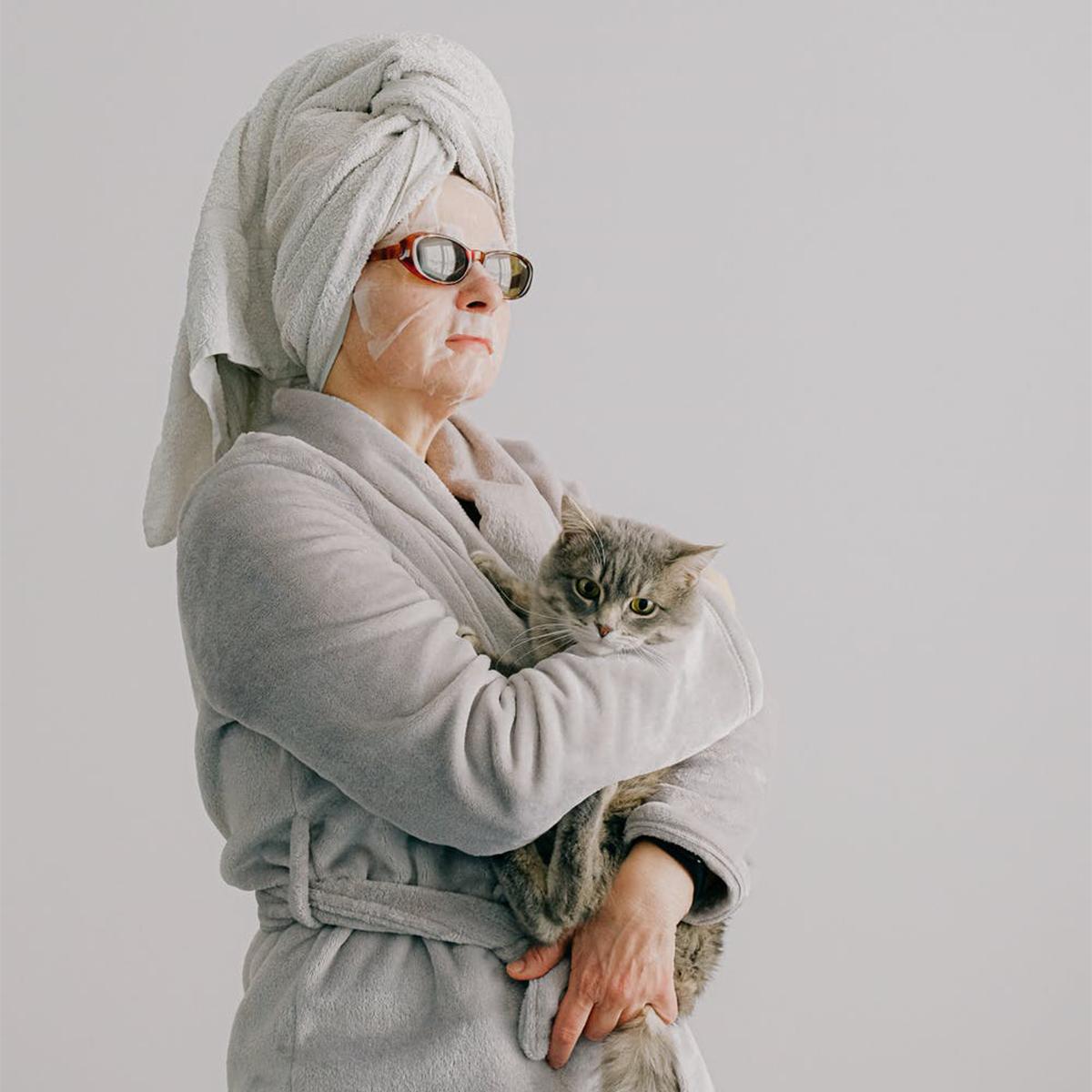
Beauty is still big business in 2021, and getting bigger.
During a recession or crisis, officials often write off personal care as a non-essential industry that doesn’t contribute much to the economy. But this couldn't be farther from the truth — personal care businesses create jobs, boost the economy, and uplift the spirits of countless people worldwide. This article will make the economic case for investing in beauty and personal care businesses, even during a recession.

The lipstick effect
It’s impossible to discuss the beauty industry’s financial resilience without addressing the so-called “lipstick effect,” a term coined by Leonard Lauder as shorthand for the phenomenon of consumers buying themselves small treats when they can’t afford larger purchases. Putting aside the irony that the pandemic drove down lipstick sales, the overall concept still holds true. When faced with emotional, political, and financial uncertainty, consumers look to influence one of the few things they can: themselves.
The overall value of the US beauty and personal care market in 2020 was more than $93 billion. Meanwhile, revenue for the cosmetics and skincare industry will likely grow by over 6% in 2021. In the meantime, the hair and nail salon industry is valued at just under $43 billion, and is expected to grow another 7% in 2021. Those numbers are too significant to ignore.

The pandemic created new beauty opportunities
No-one can deny that the pandemic put a dent in certain facets of the beauty industry, but it also introduced new business opportunities. With their mouths concealed by masks, consumers indulged in dramatic eye looks, driving a 204% increase in eye makeup sales. Skin care was already a growing vertical, but “maskne” — skin irritation caused by wearing a mask all the time — sent sales of facial products like steamers and serums sky-high. Consumers stuck at home also invested heavily in skincare that protects against the blue light given off by their devices. We want to look good, even if people will only see us on Zoom.

Women of color are still underserved
Immense opportunities exist for beauty services aimed specifically at women of color. Black actors and models often find themselves forced to do their own hair because too few stylists are up to the task. In a recent study, 69% of women of color felt frustrated by a lack of skincare products appropriate for their skin tone. Black women are less likely than white women to try a new skincare product because they’re afraid of what it might do to their skin.
On the other hand, when women of color (WOC) find excellent products, they will pay premium prices. A 2018 Nielsen report indicated that the Black community spends nine times more on beauty products and services than the white community, as much as $1.1 billion annually. That doesn’t include weaves, extensions, or styling tools. The buying power of WOC is enormous, yet bafflingly overlooked by many investors.
All in all, 2020 created unique challenges as social distancing restrictions forced salons to rethink their business models and consumers changed their beauty priorities. But people still want to feel good about themselves and are willing to invest in their self-care regimens. Masks may make it harder to see, but the lipstick effect is very much still in place.

Shanalie Wijesinghe
Content Strategy Director
Shanalie Wijesinghe is the Content Strategy Director at Boulevard. She lends her industry and platform expertise to both in-house staff and partner salons and spas. A salon industry veteran with more than 15 years of experience working for high-end luxury salons such as Sally Hershberger and BENJAMIN, Shanalie was previously Director of Education for Boulevard and blends her knowledge of the beauty and technology industries to help put the company’s partners and employees on the path to success. A Bay Area native and first-generation immigrant, Shanalie is a graduate of the Paul Mitchell School specializing in cosmetology, styling, and nail instruction.
Related Posts
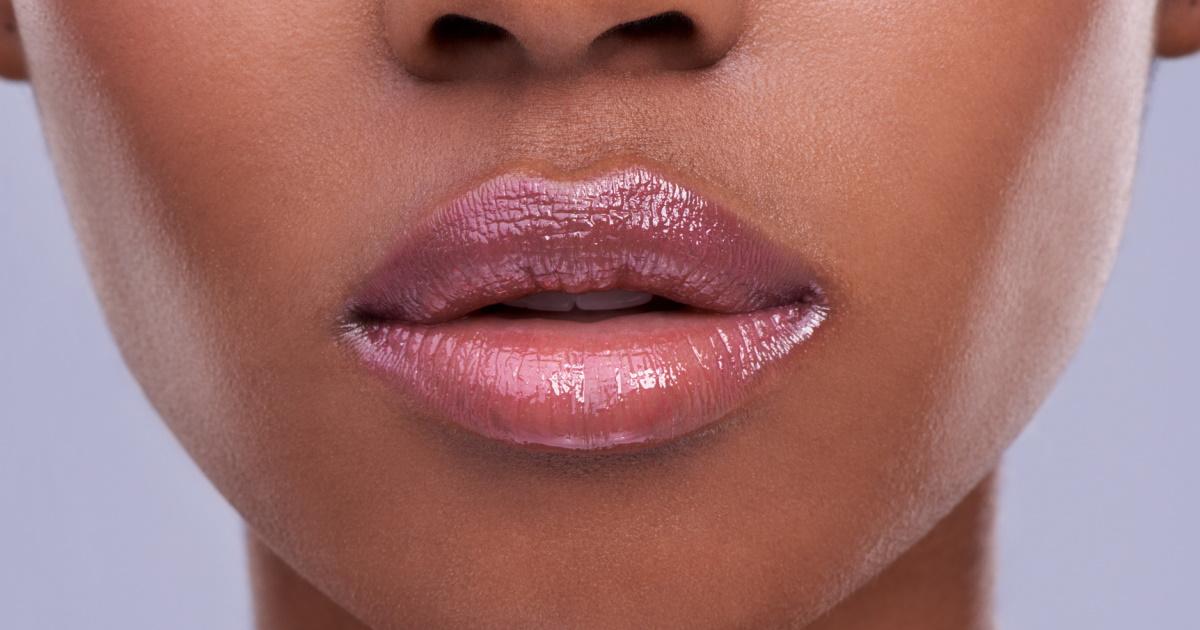
What Is the Lipstick Effect and What Does it Mean for Your Beauty Biz
This article will show you why your beauty business may be better off in a recession than you think, and inspire you to make the most of it.
Read Article
Self-Care Is Essential. Here's How Our Habits Are Evolving in 2021
Self-care spiked during the pandemic and the trend isn’t going anywhere. Here’s what the self-care boom means for beauty businesses in 2021.
Read Article
The Evolution of Client and Consumer Behavior in the Self-Care Industry
As the self-care industry evolves, here’s how salon and spa owners can meet expectations and build lasting client relationships.
Read Article
Behind the Look: Hollywood's It Girls Transformed by Flavia Lanini
Learn how Flavia Lanini wowed Hollywood with the transformative Massage Effect to combat puffiness, reduce cellulite, and make you feel revitalized.
Read Article
The Beauty Industry During Recession: 5 Survival Tips
The secret to surviving the beauty industry during a recession is planning. Here are 5 ways you can begin to recession-proof your business.
Read Article
5 Beauty Charities to Throw Money At This Holiday Season
It’s still hard out there for many in the beauty biz — here are 5 charities that you can chip in to to give back.
Read Article
COVID-19 Resources to Help Salons and Spas
A list of COVID-19 resources for especially curated for beauty salons and hair stylists navigating "the new normal."
Read Article
Spa Industry Statistics and Trends to Watch in 2022
Spa industry statistics show steady growth in the coming years; these are the trends spas should pay attention to if they want to take part.
Read Article
What is 'Femtech' and Why Should the Beauty Industry Care About It?
The world of femtech is pushing back on the stigmatization of women’s health. Here’s what the beauty industry stands to learn from femtech.
Read ArticleSign up for weekly blog updates.