Medspa • Best Practice
Medical Spa Service Menu: Build Your Medspa for Profitability
Medical Spa Service Menu: Build Your Medspa for Profitability
How to Build a Medical Spa Service Menu That Maximizes Revenue
Your medical spa’s service menu is the first real interaction many clients have with your business, often through a quick skim on their phones. In just a few seconds, they size up your expertise and the expected results, then decide whether it’s worth committing to an appointment.
This makes service selection a strategic exercise. Offering the most popular medical spa services, like injectables and facials, might grab some people's attention. But a careful mix of results-driven treatments and restorative sessions nurtures a wider and more stable client base. Plus, your medical spa treatments list needs to support profitable pricing tiers and long-term revenue growth.
In this guide, we’ll look at the medspa services that attract repeat business, then explore how to price them based on demand and profitability. We’ll also look at how Boulevard’s reporting tools help you track service performance so your menu drives growth.
6 Popular Medspa Services
Effective medspa service menus balance treatments that are popular and profitable. High-margin options with accessible entry points attract a wide client base. Meanwhile, premium and repeat-visit services create retention opportunities that support strong revenue over time.
Here are six top services to consider for your medspa.
1. Neurotoxins
Neurotoxin-based treatments like Botox and Dysport are high-volume services at many medspas, offering a lower-commitment entry point into injectable treatments. Appointments are quick and often focused on common skin concerns like forehead lines or crow’s feet, making it easy for first-time clients to understand the goal and potential results.
Unlike filler, neurotoxins typically wear off in three to four months. That makes them accessible enough to drive volume while still generating meaningful revenue, especially because regular treatments require maintenance. Neurotoxins also function as natural entryways into other aesthetic services, such as dermal fillers, chemical peels, and regular facials.
From a pricing standpoint, Botox is a strong mid-ticket treatment. Medspas typically charge $10 to $15 per unit. Flat-rate services can range from $200 to $800, depending on the treatment zone. Dysport has a lower per-unit price, but since treatments require more units, the average per-session cost is comparable.
2. Dermal Fillers
Dermal fillers are a natural upsell for clients who already come in for regular Botox treatments. Once clients are comfortable with injections, fillers help with skincare goals Botox can’t solve, like facial balancing and volume loss.
This makes fillers a strong service for growing the value of existing client relationships. Similar to Botox, clients tend to return every 6 to 12 months for regular maintenance.
Dermal fillers also move clients into a higher ticket category. Treatments are usually charged by service or per syringe, which adds a lot of price variation. For instance, lips typically use one syringe, while facial balancing services can require up to six. Hyaluronic acid dermal fillers cost about $715 on average, while non-hyaluronic acid fillers cost $900, although you can use tier-based pricing to bring down the cost per treatment.
3. Laser Hair Removal
Laser treatment is a smart cosmetic procedure for your med spa services list, because it pairs broad client appeal with built-in repeat visits. Clients usually need six to eight sessions plus occasional maintenance, making this an easy way to sell prepaid packages or membership plans.
Pricing ranges widely, with an average service cost around $700. Smaller areas like the upper lip and underarms may have a lower cost and require fewer sessions. Larger treatment areas, like full legs or the back, elevate both the per-session ticket cost and the total treatment plan. This recurring structure makes laser hair removal one of the most profitable medspa services for bringing in long-term package revenue.
4. Microdermabrasion
Microdermabrasion is a common skincare treatment that’s ideal for improving skin texture and tone through gentle resurfacing. It’s a valuable medical aesthetics service because it’s accessible and nicely complements more intensive treatments, such as chemical peels and laser therapies.
According to the American Society of Plastic Surgeons, the average cost of microdermabrasion is about $1,800. However, total spend depends on the number of sessions a client completes and whether this service is part of a broader wellness treatment.
For instance, HydraFacial is a premium skincare offering for non-invasive resurfacing, which offers deeper cleansing, exfoliating, and hydration plus more immediate results. Since clients tend to return on a monthly or quarterly basis, this service is a great option for membership models designed to generate predictable, recurring revenue.
5. Body Contouring
Body contouring encompasses several non-surgical and surgical aesthetic treatments designed to reshape the body. It sits at the high end of most medspa service menus, both in terms of complexity and ticket size. Treatments like CoolSculpting sit on the low end, with a range from $2,000 to $5,000 for full treatments, while tummy tucks can cost up to $18,000.
Due to the higher investment and intensive treatment plan, body contouring works best in a consultation-first model. This approach improves conversion rates and creates a natural opportunity to build strong relationships, since providers can build trust via multi-step treatments and complementary service plans.
6. IV Therapy and Wellness Services
IV therapy, vitamin drips, and medical weight loss programs are fast-growing additions to medspa service menus. They expand your offerings beyond aesthetics, shifting the focus to wellness, recovery, and preventative health care.
These services often attract repeat clients who are looking for stress relief or structured body management. They also tap into strong consumer demand for trying new trends, giving you the opportunity to differentiate your medspa through curated wellness services and signature packages.
What's more, the relatively low overhead and high-margin delivery make these services great additions to almost any menu. Pricing varies a lot, with IV therapy ranging from $100 to $1,000 per session depending on the drip type.
How to Price Your Medspa Service Menu
Pricing a medspa menu is a tough balancing act. You need to structure services based on demand, margins, availability, and client behavior. The best menus turn a simple list of medspa treatments into a system that supports regular bookings and long-term growth.
Consider your unique overhead and growth goals, then price each service based on a combination of cost and desired margin. Popular high-volume treatments might sit at a more competitive price point to drive traffic, while specialized services balance out profitability.
Make sure you have a range of:
Entry-level services: Treatments that bring clients in for the first time by lowering the barrier to booking. These are typically quick, non-invasive services (facials or dermaplaning) that build trust and comfort with the medspa experience.
Mid-range services: Often the core of medspa menus, these services drive repeat visits and consistent revenue. Mid-range offerings might include injectables and chemical peels, plus any other services that require maintenance visits or repeat treatments.
Premium services: These are more advanced, high-ticket treatments that require consultations and customization. You might offer dermal fillers, body contouring procedures, and other multi-step treatment plans that combine modalities for more comprehensive aesthetic outcomes.
Using Packages and Memberships to Stabilize Revenue
Packages and memberships give structure to medspa income by turning irregular bookings into predictable treatment cycles. Clients commit to ongoing care across core services like Botox or skincare maintenance.
You might offer:
Packages: These are prepaid bundles with a set number of treatments, like a series of laser therapy sessions or a defined number of facials. Packages are often designed to drive short-to-medium-term commitment.
Memberships: Ongoing medspa memberships offer wider access to services via a recurring fee. Clients get some combination of regular treatments, discounts, and monthly credits, which stimulates long-term engagement and brings in predictable monthly revenue.
Track and Optimize Your Medspa Service Menu With Boulevard
Your medspa service menu doesn’t have to be as permanent as a tummy tuck. It’s closer to a Botox treatment—the best results come with regular maintenance. Over time, as you see how well services satisfy clients and strengthen your bottom line, you can adjust pricing and shift focus toward what drives the most consistent demand.
Boulevard’s built-in reporting helps you track service performance and identify revenue drivers. That way, you can make more effective decisions about when to retire low-performing services and how to promote high-margin treatments. Plus, you get all kinds of sales and performance data to draw on when optimizing your scheduling and improving the client experience.
Explore Boulevard’s Medspa Software, and optimize your service menu with data-backed insights.
Boulevard was built to help your business achieve profitability at scale without losing an inch of sanity. See for yourself! Get a free demo today.

Skya Jones
Sr. Medspa Education Manger
Skya Jones is an industry expert and consultant who serves as one of the in-house medspa experts at Boulevard. In this role, she collaborates closely with Boulevard’s team and their customers to help deliver exceptional, memorable client experiences. With nearly a decade of experience in the medical spa industry, Skya is deeply passionate about leadership and education, and is dedicated to empowering businesses to thrive. Prior to joining Boulevard, she successfully managed and provided consulting services to a range of medical spas and retail beauty businesses.
Related Posts
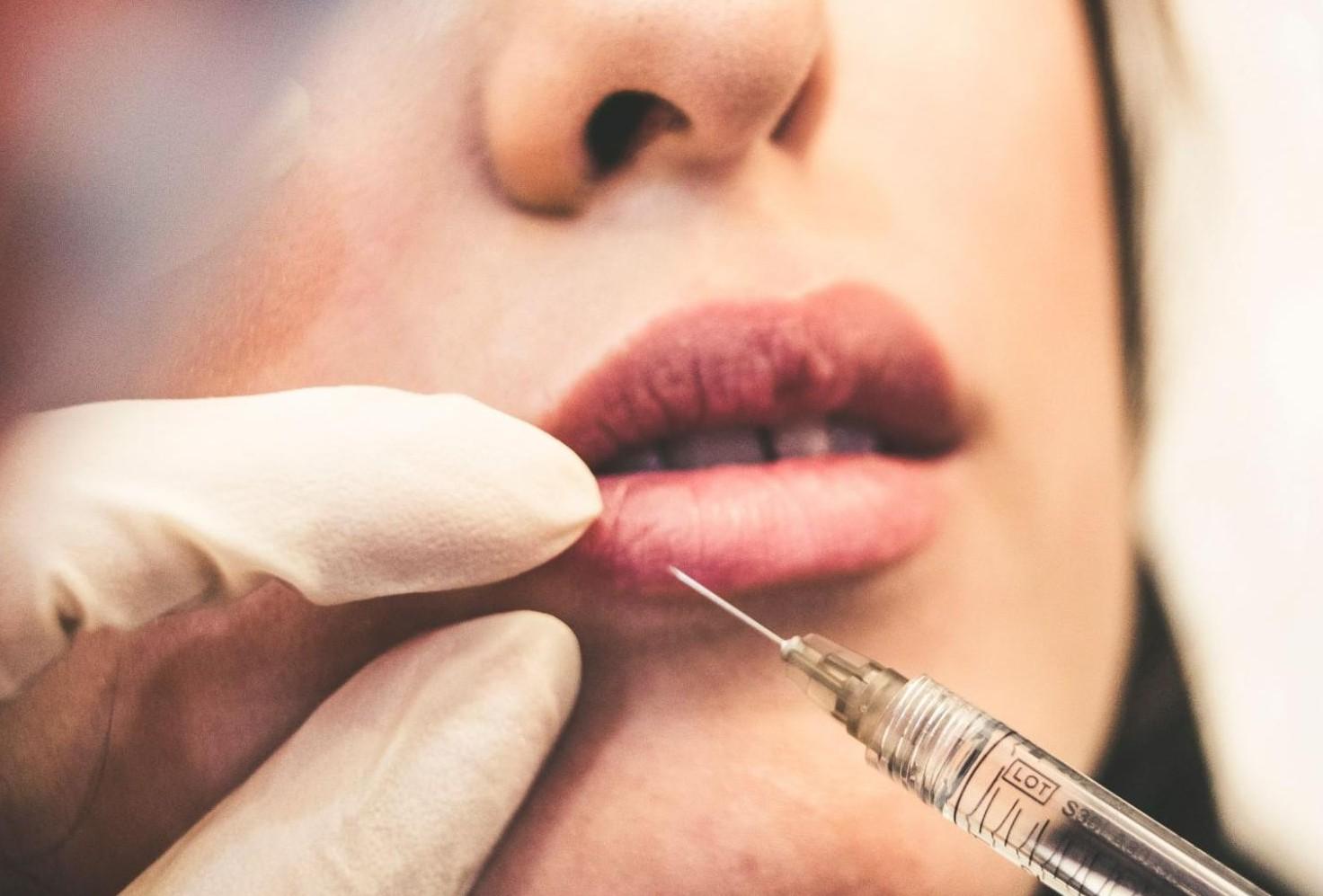
Medspa Treatments: What to Offer and How to Price Them
Boulevard breaks down the most popular medspa treatments, how to price them, and how to build a service menu that drives retention and revenue.
Read Article
How to Build a Medspa Price List: Attract Patients and Drive Retention
Develop a medical spa price list that keeps clients coming back with these quick and clever tips.
Read Article
The 4 Most Popular Medical Spa Services (and How to Nail the Consultation)
We dive into today’s four most popular medical spa services and relay tips to nail the client consultation for each treatment.
Read ArticleMedical Spas vs. Day Spas: A Business Model Breakdown
Learn the differences between medical spas versus day spas. Compare services, staffing, and oversight needs to choose the right model for your business.
Read Article
Spa Service Menu Makeover: Fresh Ideas to Wow Your Clients
Your spa service menu should be clear, concise, and communicate the right details to your target audience. Click here for ideas that will get you started.
Read Article
Skya Jones' 3 Favorite Boulevard Features to Enhance Your Medspa Business
Are you getting the most out of your medspa software? Here are three ways the Boulevard platform streamlines workflows and boosts revenue for medspa owners.
Read ArticleMedspa Nurse Salary Guide: 2026 Benchmarks
Explore medspa nurse salary benchmarks in 2026, including aesthetic nurse pay and nurse injector earnings, and how Boulevard helps medspas manage staff.
Read Article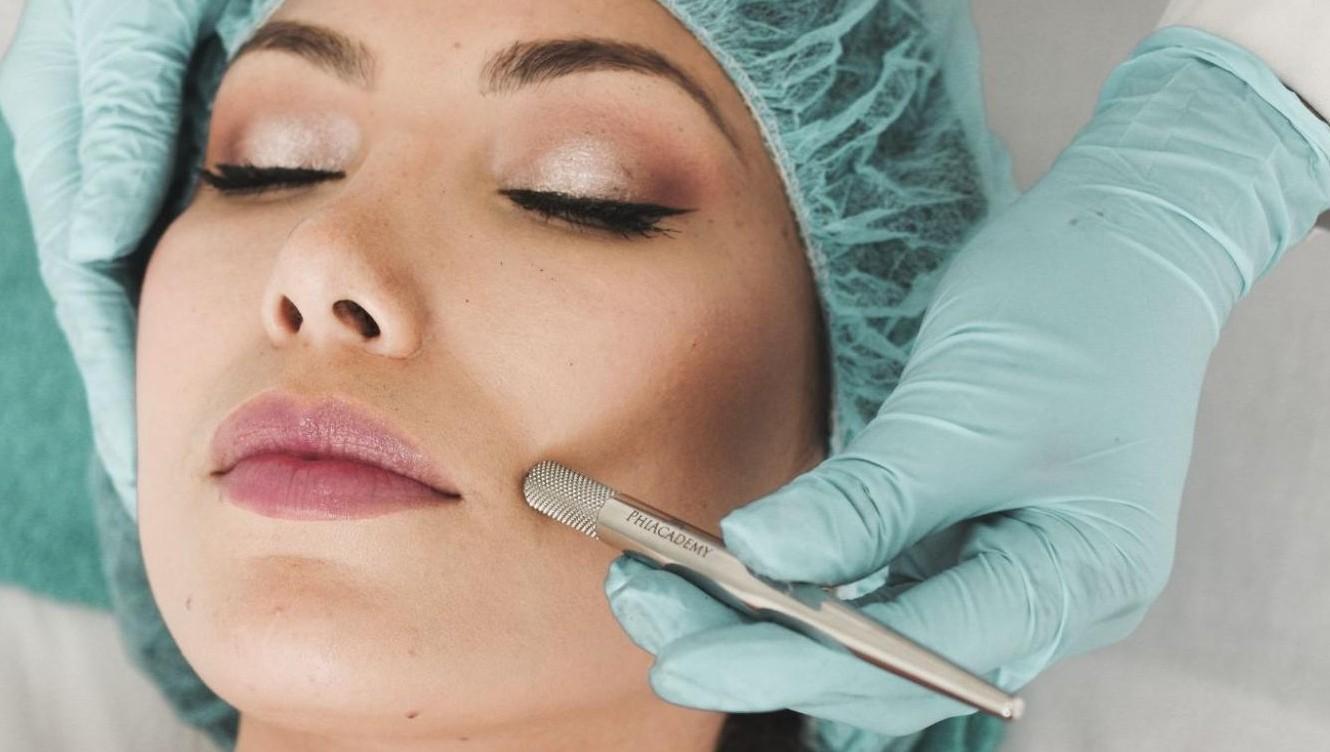
The Case for Medspa Memberships
Medspa memberships increase revenue and loyalty by giving clients incentive to keep coming back.
Read Article
Styles That Serve: Creating A Service Menu For Your Natural Hair Salon
Want to create a service menu for your natural hair salon that will help you reach more people without losing that individual touch? Check out our guide.
Read ArticleSign up for weekly blog updates.